Build Winter Uniforms That Perform and Elevate Your Brand
Winter uniforms do more than keep people warm. They help employees stay comfortable, visible, and recognizable during busy months filled with deliveries, events, job-site work, and customer interactions. Compared with a standard T-shirt or polo order, cold-weather apparel needs more thought because it involves bulkier fabrics, extra layers, and changing work conditions.
We often see preventable problems when winter orders are rushed. The wrong jacket can limit movement, a poorly placed logo can disappear behind a zipper, and missing sizes can leave team members without the gear they need. Planning your custom printed clothing program early helps you avoid mismatched apparel, last-minute replacements, and confusion across locations.
Choose Winter Garments That Work on Every Shift
One of the biggest mistakes is choosing a winter garment based only on its appearance or unit price. A jacket that looks great in a product photo may not work for someone standing outdoors, moving between heated and unheated areas, driving a route, or handling physical work throughout the day.
Before we help you narrow down garment options, we recommend thinking about how and where your team works. Winter apparel should match the real conditions employees face, not just the season on the calendar. Consider factors such as:
- Warmth for outdoor or cold indoor spaces
- Moisture management for active roles
- Wind resistance for open job sites and delivery routes
- Mobility for lifting, driving, or working with equipment
- Durability for repeated wear and washing
Another common issue is ordering one cold-weather item for every employee and calling it done. A single heavy jacket may be too warm for some roles, while a light hoodie may not be enough for others. Instead, we recommend building a coordinated layering system.
A branded base layer, mid layer, and outer layer give people options as temperatures shift throughout the day. This can include work shirts, hoodies, fleece jackets, vests, and outerwear that fit together in both style and function. Layering also makes it easier to support teams working in different climates or serving different roles across the country.
Fabric choice matters, too. Heavy fleece, soft shell jackets, quilted outerwear, and high-visibility garments can all decorate differently. Before approving a full run of custom printed clothing, we suggest reviewing garment details, available colors, size ranges, and samples. What feels good, fits well, and holds a logo properly is usually much easier to confirm before production begins.
Match Decoration Methods to Winter Layers
Using the same decoration method on every item can create disappointing results. What works beautifully on a hoodie may not be the right choice for an insulated jacket, textured fleece, or performance vest. The best method depends on the fabric, the artwork, the logo placement, and how the garment will be used.
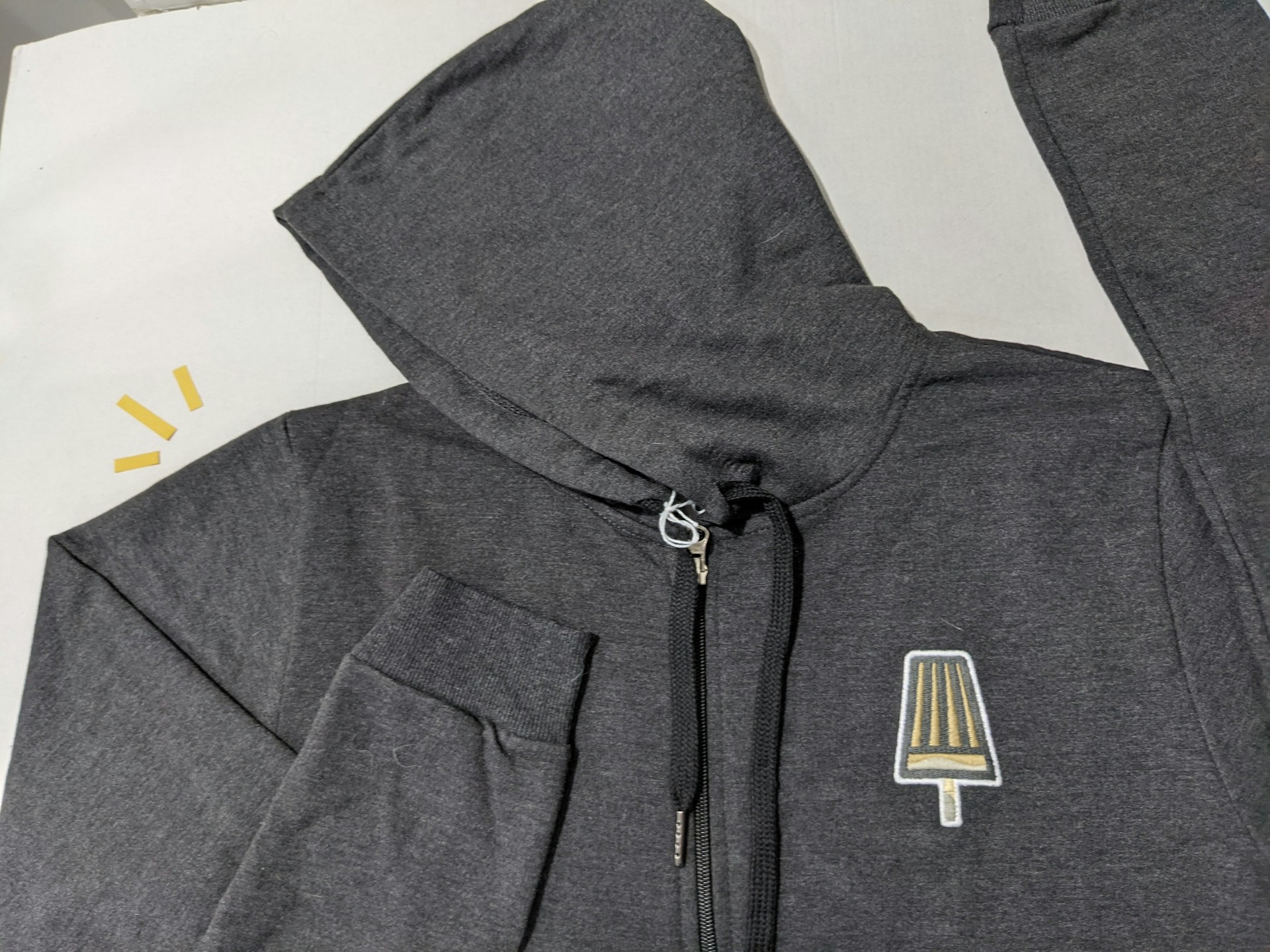
Screen printing can work well for many hoodies and fleece items. Embroidery often creates a clean, durable look on jackets, hats, polos, and workwear. Heat transfers can be a good fit for detailed designs, smaller quantities, variable names, and certain performance fabrics. We help organizations look at each garment individually instead of forcing one solution across the whole collection.
Logo placement deserves the same attention as decoration method. A logo that looks balanced on a T-shirt can look too small on a bulky jacket. It can also become hidden by a chest pocket, zipper, seam, hood, or reflective striping.
For each apparel style, we recommend reviewing:
- The logo size in relation to the full garment
- Placement measurements, not just a general mockup
- Nearby seams, pockets, zippers, and panels
- Whether the logo remains visible when the garment is worn
- How artwork colors appear against the selected fabric color
Thick seams, waterproof coatings, insulated panels, and textured fleece may affect print clarity, adhesion, or embroidery quality. Planning around these limitations early can help prevent cracked prints, puckered stitching, or logos that look inconsistent from one item to the next.
Prevent Fit, Quantity, and Approval Errors
Sizing errors can be especially costly with winter uniforms. Outerwear is usually worn over other layers, so an employee who wears one size in a polo may need a different size in a jacket or vest. Guessing can lead to garments that feel too tight through the shoulders, too short in the sleeves, or too bulky for the job.
We recommend using size charts, fit samples, and employee sizing surveys instead of relying on past shirt orders. Include extended sizes early in the process so everyone has access to comfortable, appropriate apparel. A consistent uniform program should work for the people wearing it, not ask them to make do with a poor fit.
Quantity planning is another area where teams can get caught short. Ordering only for the current headcount may leave you without apparel for new hires, seasonal employees, damaged garments, or replacements. It helps to plan for a small buffer of popular sizes and identify which items should be available for quick replenishment.
Approvals also need a clear path. Before production begins, decision-makers should sign off on garment styles, colors, artwork, logo placement, and production timing. One final approved proof helps prevent one department from ordering a different jacket, logo version, or color than another location.
By November, holiday schedules, shipping delays, and seasonal demand can make changes harder to manage. A structured approval process gives your team more time to review details while choices are still available.
Centralized Fulfillment Keeps Winter Programs on Track
When separate departments or locations source winter uniforms on their own, brand consistency can slip quickly. Different garment styles, outdated logos, uneven ordering habits, and limited inventory visibility can all create confusion. We recommend keeping approved products and brand standards in one coordinated program.
An online company store can make ordering easier for employees, managers, and distributed teams. Approved jackets, hoodies, vests, hats, and other cold-weather items can be organized by role, location, season, or spending guidelines. Built-in approval workflows can also help managers review orders before they are processed.
Our centralized ordering, inventory control, and nationwide distribution support can help organizations prepare winter uniform kits and replenish needed items across multiple locations. Planning for production lead times, holiday shipping schedules, available inventory, and delivery needs helps keep winter apparel moving without adding unnecessary work for internal teams.
Launch a Winter Uniform Program with Confidence
A successful winter uniform program starts well before the first order is placed. When you review garment performance, decoration compatibility, sizing, inventory needs, approvals, and distribution as one connected plan, your team is better prepared for cold weather and busy seasonal operations.
The goal is simple: provide apparel that employees can wear comfortably and confidently while keeping your brand consistent wherever work takes them. Thoughtful planning now can help prevent rushed decisions when winter conditions are already here.
Keep Your Team Ready And On Brand
At BRIDGE® Printing & Promotional Products, Inc., we can help you create custom printed clothing that fits your team’s needs, budget, and brand standards. From selecting apparel to refining artwork, we make the ordering process straightforward. Contact us to discuss your next employee apparel order.